Teenage pregnancy, defined as pregnancy under the age of 20, is often driven by a lack of knowledge about reproductive health and family planning. Insufficient education in these areas contributes to high rates of unintended pregnancies, leading to mental stress, emotional unpreparedness, and socio-economic challenges. One of the primary contributing factors is child marriage. Nationally, the child marriage rate in Indonesia has shown a downward trend—from 10.35% in 2021 to 6.92% in 2023—surpassing the targets of the National Medium-Term Development Plan (RPJMN) 2020–2022. However, despite this progress, child marriage remains a significant concern. In South Tangerang, for instance, 16 adolescents aged 15–17 applied for marriage dispensation in 2022, indicating that the risk of early pregnancy still persists.
To address issues related to adolescent reproductive health, SCORA CIMSA FK UIN Syarif Hidayatullah initiated the AKSARA program (Let’s Discuss Reproductive Health with SCORA) as a form of community development in 2025. This year, AKSARA focuses on educating about family planning and early pregnancy, conducted at SMAN 6 South Tangerang with members of PIK-PKPR as the primary target audience, who are expected to become peer educators. The series of activities began with a pre-intervention session on May 14, 2025, introducing SCORA and the AKSARA program while building rapport between the committee and participants. The first intervention took place on May 24, 2025, delivered by a seminar and workshop. The first seminar was delivered by Dewi Purnama from SAMSARA, discussing unplanned teenage pregnancies and the crucial role of peer educators, while the second seminar was presented by Dwi Cahyo Saputro and his team from BKKBN, covering adolescent health and the introduction of contraceptive methods.
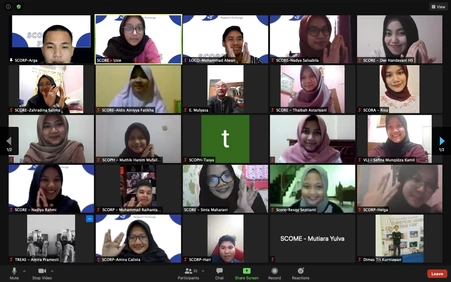
Throughout the event, members of PIK-PKPR SMAN 6 demonstrated high enthusiasm and active engagement. They responded attentively to questions and showed genuine interest in the topics presented. Their participation reflected not only awareness but also a readiness to take part in peer education. Many participants were excited for the next activity and hoped similar programs would continue to support ongoing reproductive health education.